





Custom T-Shirts Promotional Products.
Real people. Quality products. Fast delivery. Contact us and we'll do the rest.
Custom T-Shirts keep your brand visible on your people, at events, on job sites, and across every day that they show up to work.
- Free digital proof before production
- We handle everything, artwork to delivery
- 30+ years in promotional merchandise
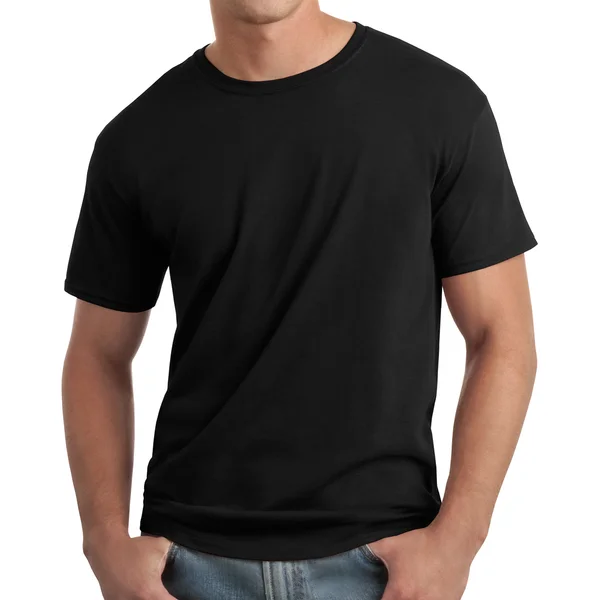
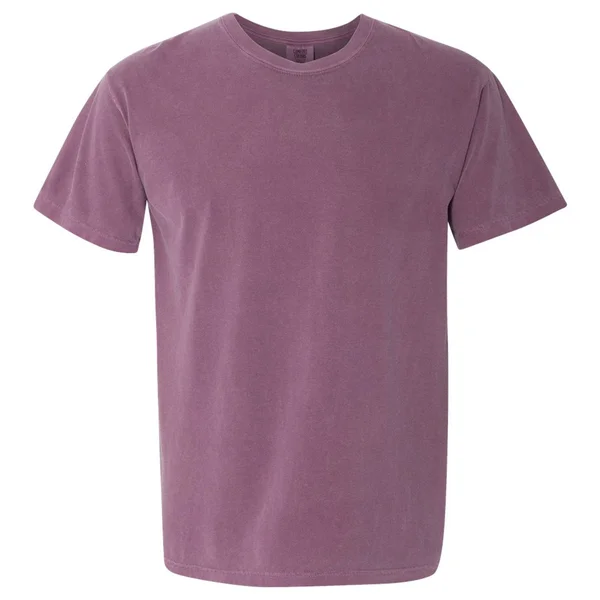
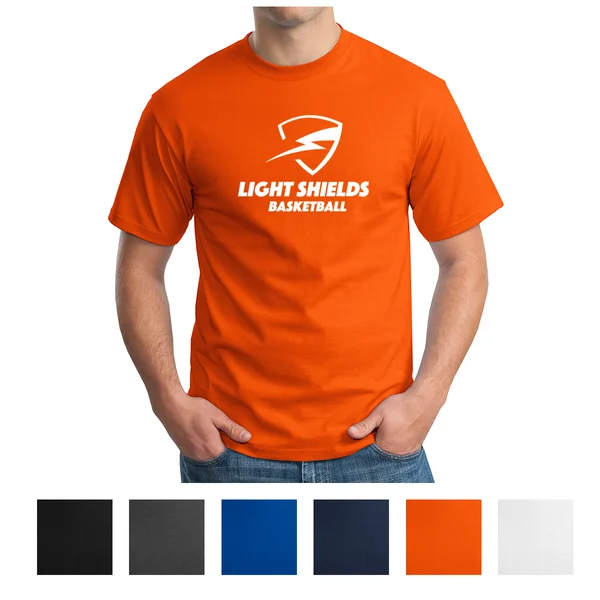
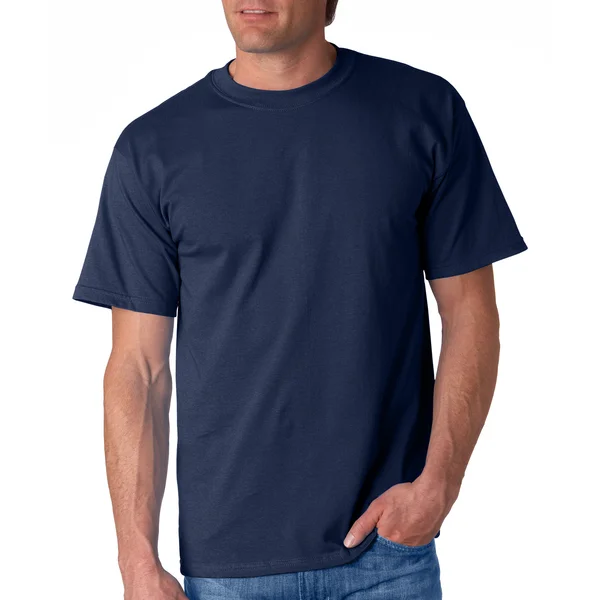
Don't want to browse? Tell us what you need and we'll send you options.
- Tell us the product
- Or the occasion or event
- Get options back from our experts
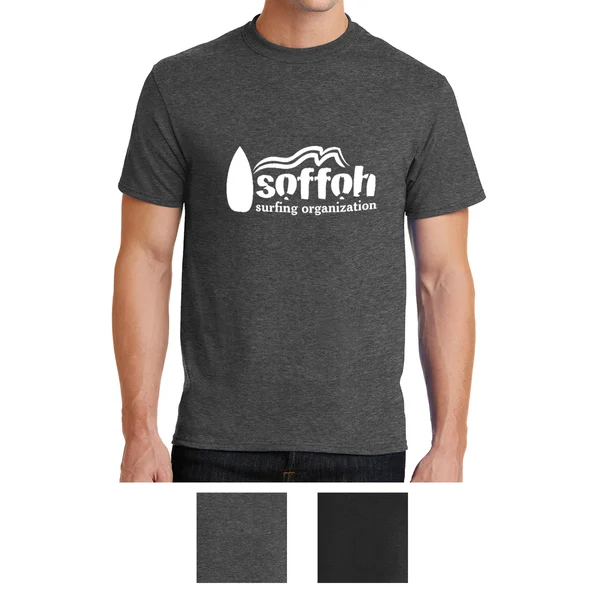
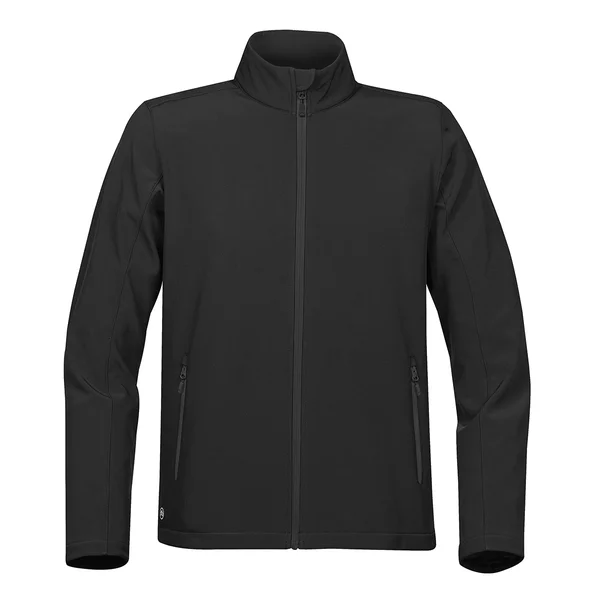
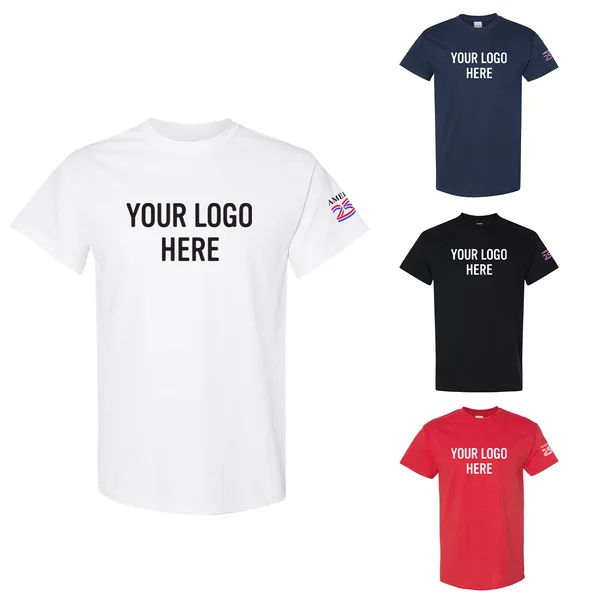
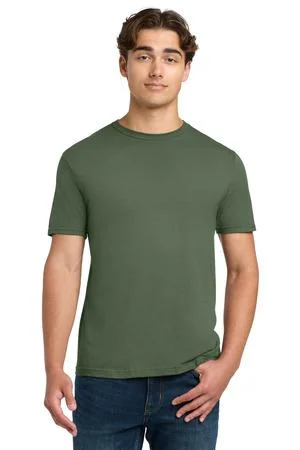
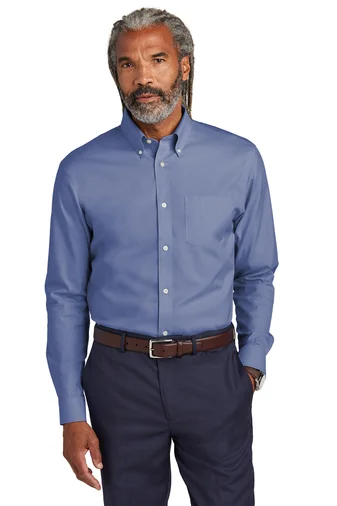
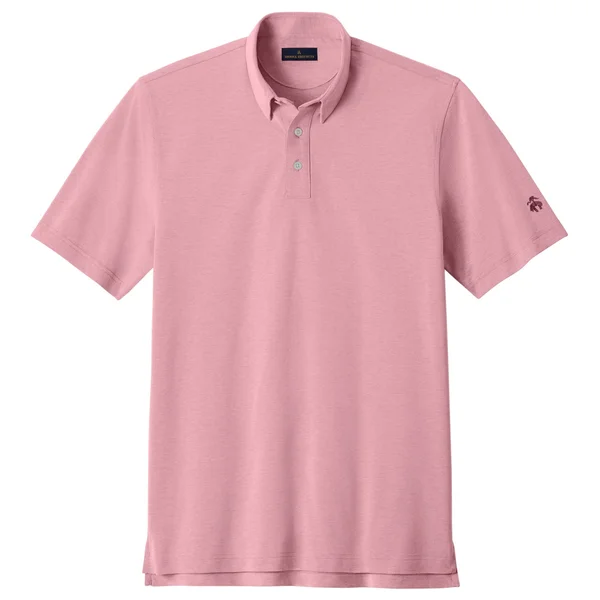
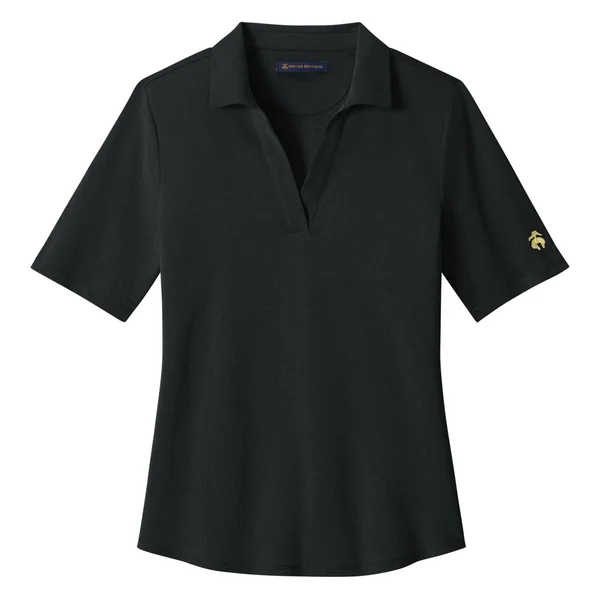
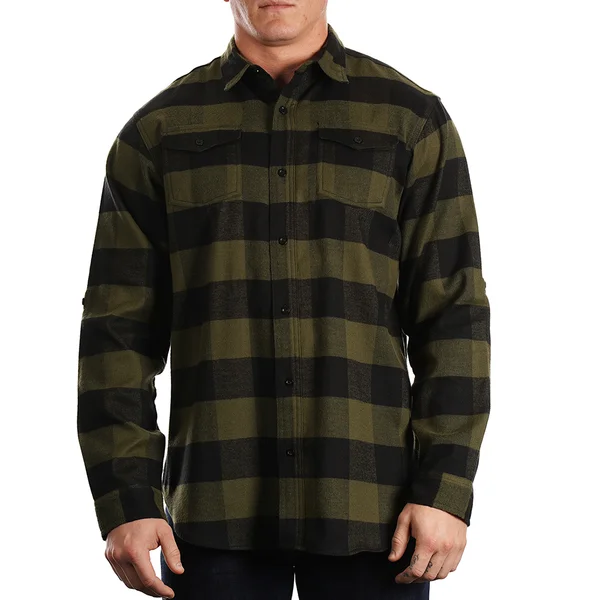
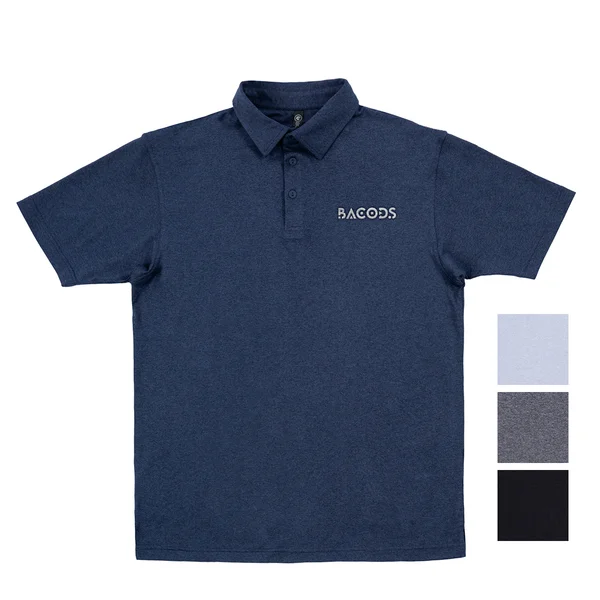
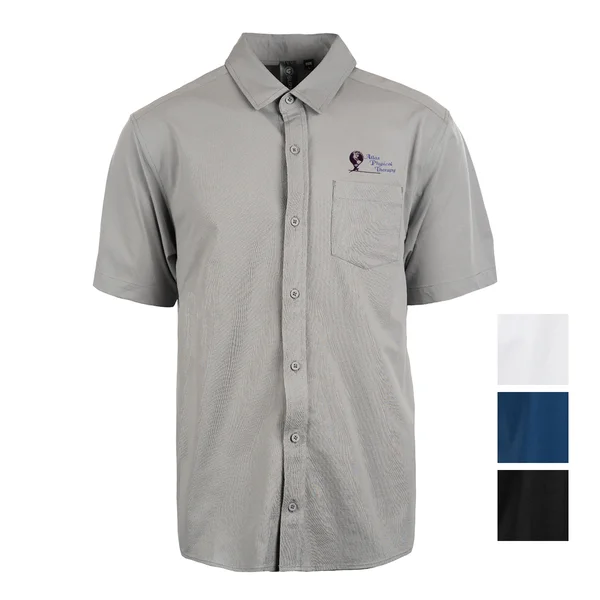
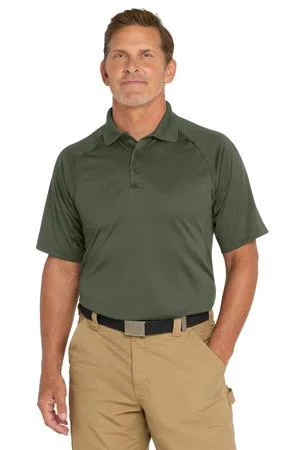
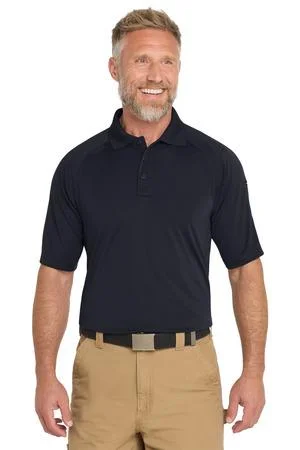
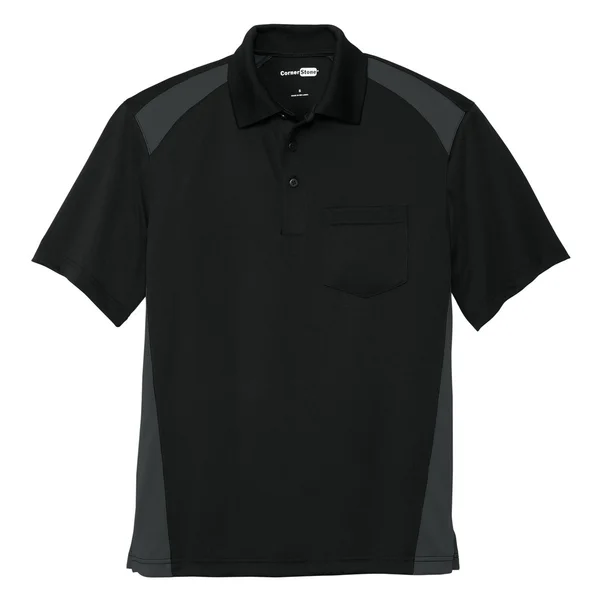
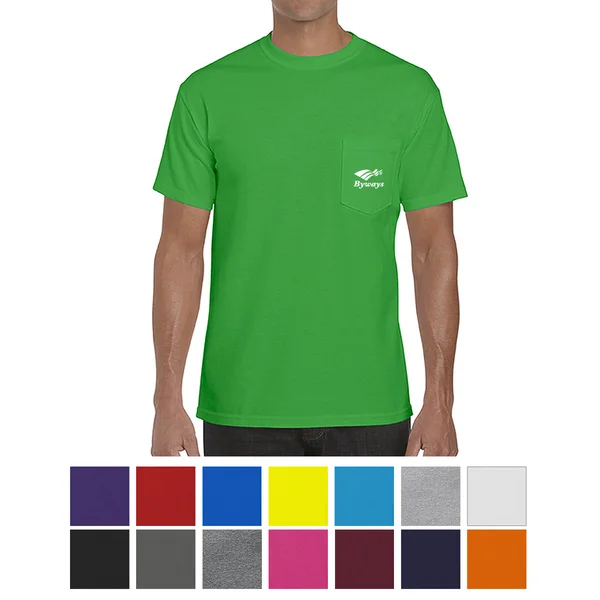
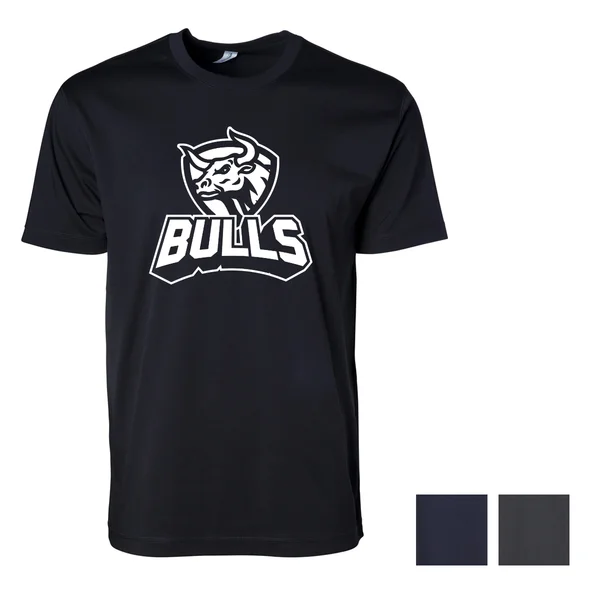
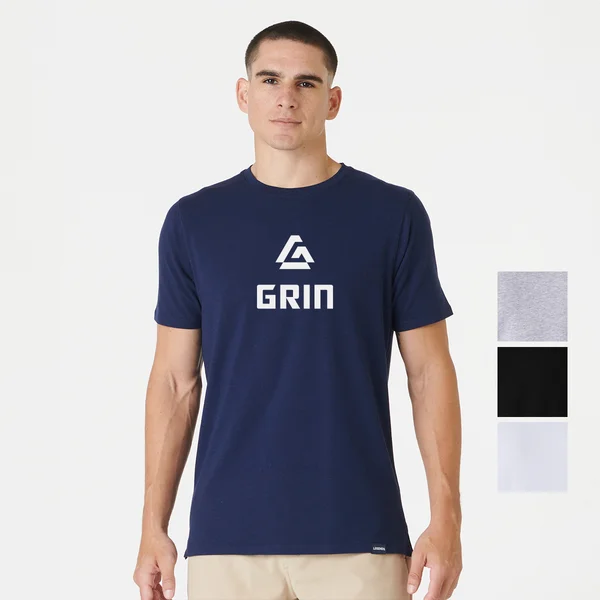
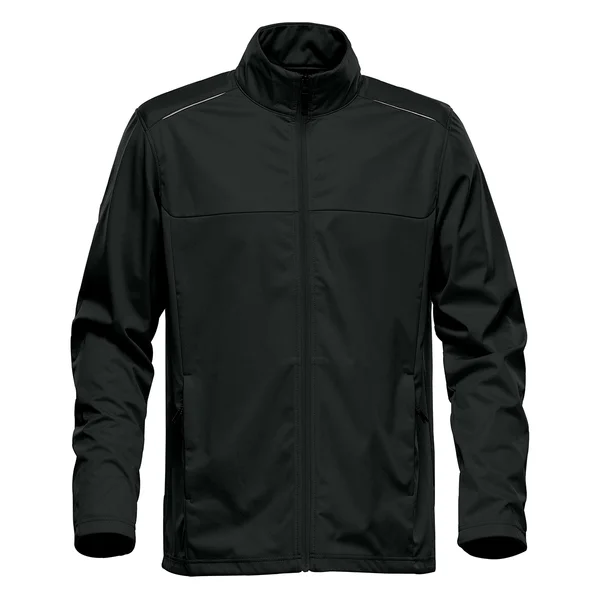
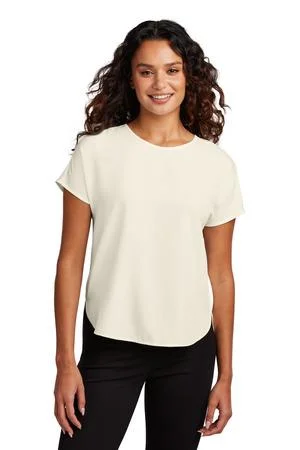
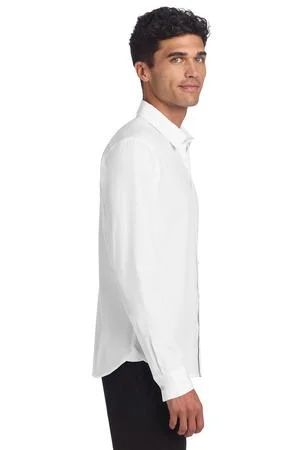
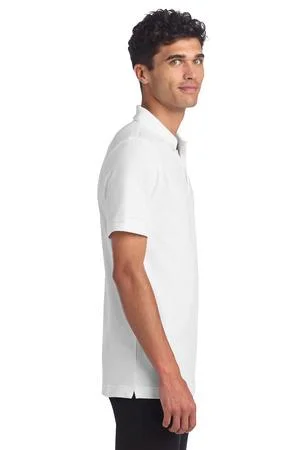
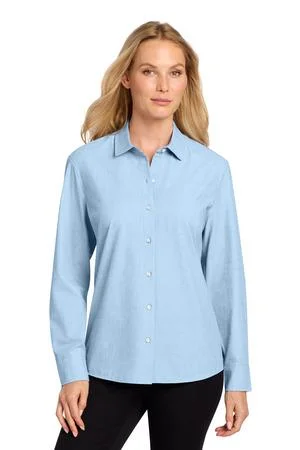
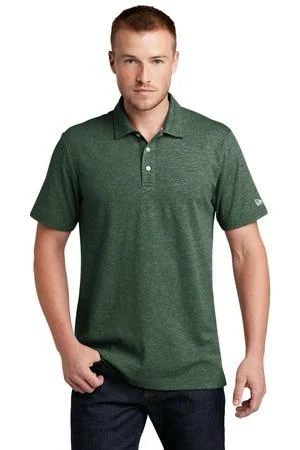
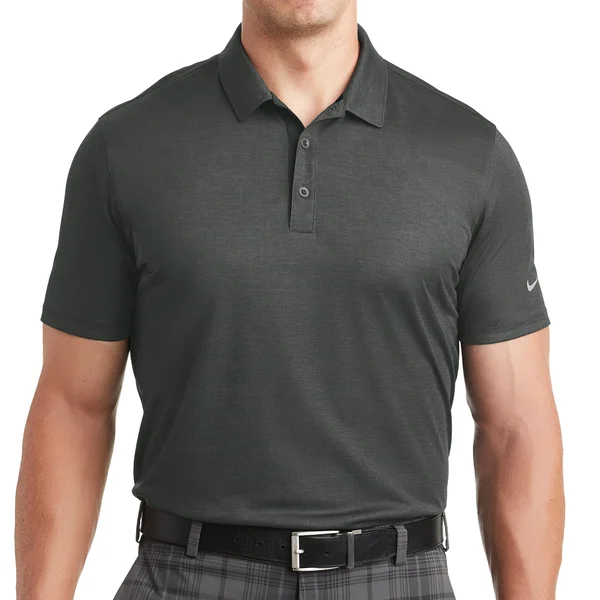
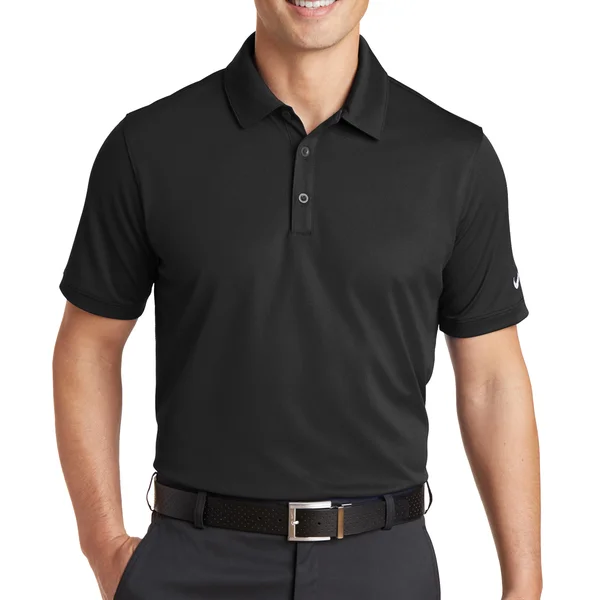
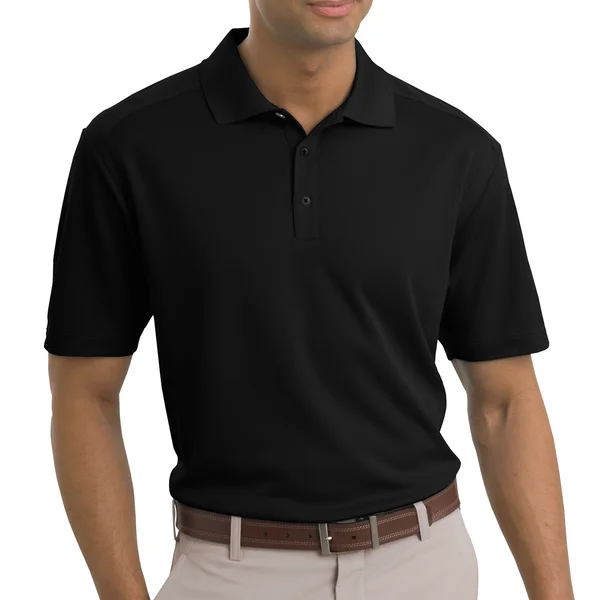
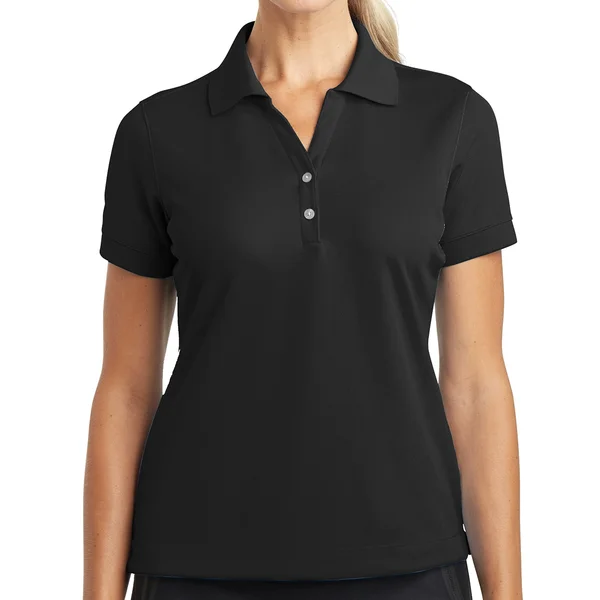
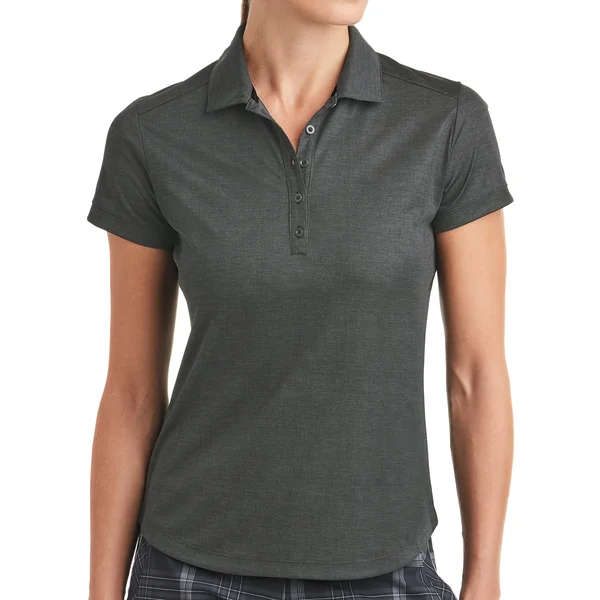
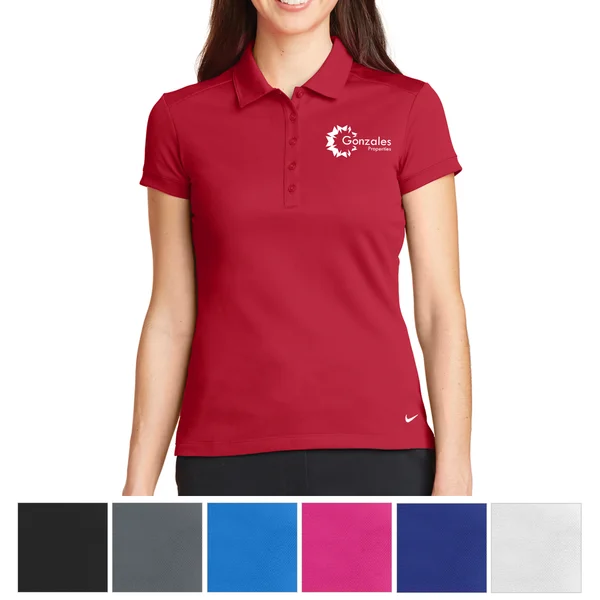
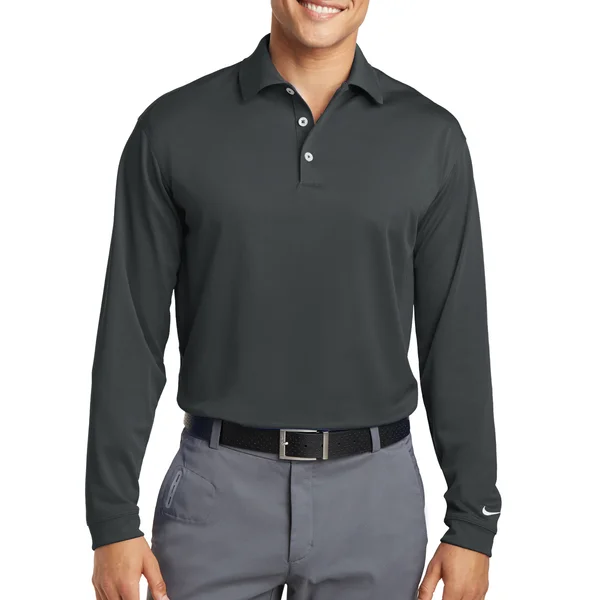
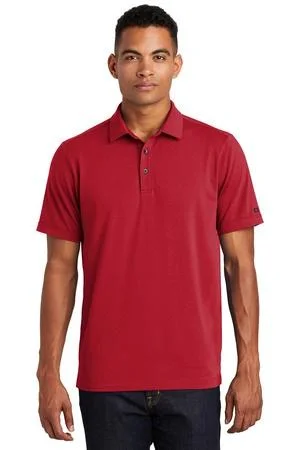
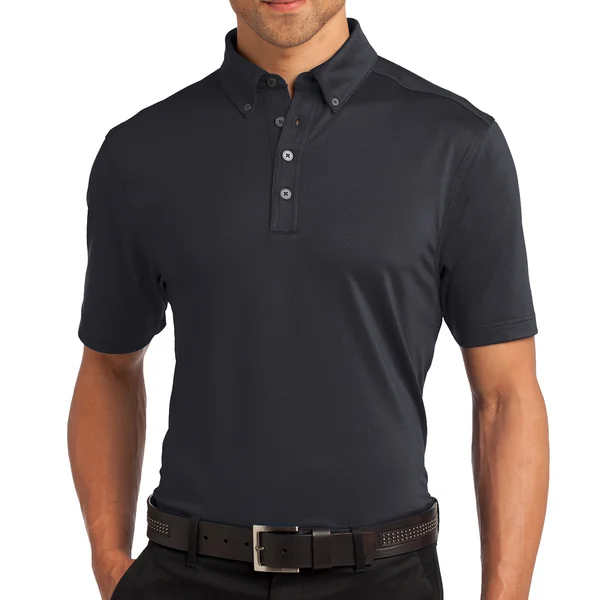
Screen Print, Embroidery, or DTF: Which Is Right for Your Custom T-Shirts?
Decoration method basics live on the Apparel page. The narrower question a tee raises is which fabric to put the ink on, because that choice changes what the ink does.
Thin tee fabric pulls and bunches under an embroidery needle. However, screen-print ink sits flat on the surface, so your custom t shirt design stays sharp wash after wash; making it the right choice for a thin tee.
From there, fabric weight is the real decision. Lighter, softer ringspun cotton suits events and giveaways where the shirt gets worn a handful of times. Heavier cotton holds up under repeated washing, which is why site crews and new-hire kits for business logo t shirts almost always go this route. Denser fabric grips the ink deeper into the weave and survives the hard cycle.
Tri-blend fabric (a mix of cotton, polyester, and rayon) is a different case. It's soft and lightweight, but the polyester content means standard screen-print ink can't bond the same way. It sits on top of the fibers and lifts at the edges after a few washes. A softer-formula ink that soaks into the fiber rather than coating it is the right call here. Colors come out with a slightly vintage look, which suits the fabric anyway.
For promotional t shirts and other custom promotional items in volume, match the fabric to the use first: heavier cotton for crews and worksites, lighter ringspun for events and giveaways, tri-blend only if a soft, worn-in look matters more than vivid color.
Custom T-Shirts work across all three fabric weights. The spec that changes is the ink type, not the logo. Our team is here to advise you on the correct ink type and fabric for your order.
Fabric Weight Confirms the Choice: Heavyweight, Ringspun, or Performance Blend
Embroidery puckers on thin tee fabric. The needle pulls the weave upward and the thread sits proud of the surface, which bunches a lightweight cotton shirt that was never built to carry that tension. Screen-print ink sits flat, bonds to the weave, and holds sharp edges through repeated washing. That is the reason cotton tees and screen print are paired by default, and why embroidery belongs on heavier structured pieces like fleece or structured caps.
Heavier-weight cotton is the right call for outdoor workwear and site crews. The denser fabric holds its shape through repeated washing and gives screen ink a firmer base to sit on. Ordering business t shirts for a field crew or construction team? Heavier-weight cotton, screen printed, is the standard pick. Ringspun cotton is the choice for events and client-facing moments where how soft it feels is part of the impression. The fiber is combed tighter than standard cotton, which makes it noticeably softer to the touch. For all-hands meetings, trade shows, and welcome kits, ringspun cotton screen-printed tees are where most event buyers land, head to the linked page to see our current stock.
For healthcare or active teams wearing polyester blends, DTF (direct-to-film, a heat-transfer print method) is the right method. The transfer bonds directly to the fiber surface rather than sitting on top of it, which keeps it secure on synthetic fabrics where standard screen ink can slide off.
On cost: screen print carries a one-time setup fee that gets divided across the full run, so each shirt costs less the more you order. DTF has no per-color setup charge and no quantity minimum, which makes it the better call for smaller orders or logos with many colors.
Nothing Is Made Until You Approve It
Embroidery thread pulls and puckers on thin cotton jersey. Screen-print ink sits flat, stays sharp, and flexes with the fabric through every wash. That's why screen printing is the right starting point for most cotton tees, and the method we reach for first on any order of personalized company shirts.
You will receive a digital proof of every order. Minimums start at one unit on most styles. One account manager confirms logo placement and color before a shirt runs, and we make it right if the result doesn't match what you approved.
If you're still choosing a decoration path, here's the shortest route. Cotton tees and screen printing are the safe default: solid or simple logo, a few spot colors, standard cotton fabric. T-Shirts, filtered by screen print is where to start.
Two situations push you off that path. A design with gradients or a high color count is better served by full-color transfer printing, where the artwork transfers as a single piece rather than color by color. A performance-fabric tee, where the weave is synthetic rather than cotton, also takes a different method. Both options are available and filterable from the same T-Shirts page.
Rounding out a kit? Hats take embroidery on structured fabric, where the heavier material holds thread without pulling. Hoodies and Sweatshirts follow the same logic on fleece.
FAQ's
Choose embroidery when the shirts will be worn repeatedly in a professional or client-facing setting, the stitching comes through the wash and wears correctly year after year. Choose screen print when the order is 24+ units with 1–3 solid colors and cost efficiency matters.
The minimum is 1 unit. Screen print economics kick in at 24+ units, where the one-time setup cost is split across the whole run so each shirt costs less. Your account manager will advise the right method for your quantity.
Yes. Mixed decoration methods across an order are standard. Send us the items and quantities and your account manager will spec each one correctly.
Heavyweight cotton (6oz+) works best for workwear and industrial use, the fabric holds up to repeated washing. Ringspun cotton works well for events and client-facing uses where how soft it feels matters. Performance polyester blend is the right pick for healthcare and active teams.
Yes. Dtf handles gradients and multi-color art at any quantity with no per-color setup charge. Send us the logo file and your account manager will confirm the best approach.