Without the Late Deliveries, Wrong Prints, or Hidden Costs.
Custom printed clothing gives your team a consistent, professional look and keeps your brand visible at all times. Whether you need staff uniforms, event kits, or custom branded apparel for a site crew, the right garment and decoration make the difference between an order that lasts and one that doesn't. Start with the range below, or contact us today to tell us what the clothing is for. We'll handle the rest!
Ask us anything, we're happy to help!
Custom corporate apparel worn in a clinic every day needs different cloth and a different decoration method than a tee ordered in volume for a single event.
For staff in professional services or healthcare, we recommend a midweight pique cotton polo or a softshell jacket. These fabrics hold embroidery cleanly and look professional across meetings, open houses, and kits for new hires. Browse t-shirts and polos to see the full range.
For site crews and outdoor teams, we recommend a performance polo or hi-vis safety vest. The Polyester fabric of these garments absorbs sweat while staying dry. For decoration, we recommend DTF instead of screen print. For trade shows and events, the price is determined by both decoration method and style.
Custom printed clothing is also one of the most practical promotional products to keep your brand visible. Unlike a one-time ad, branded clothing gets worn again and again; at work, at events, and out in the community. It helps your team look more unified and turns every person wearing it into a visible reminder of your business.
Our apparel catalog offers four decoration methods across every fabric class. The method is determined by how the fabric is built and how frequently it's washed, not by what category the garment lands in. Pick the wrong pairing and the logo cracks or peels.
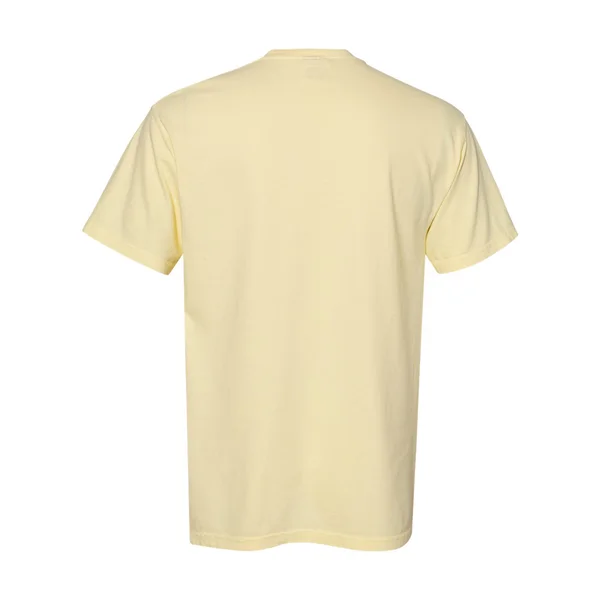
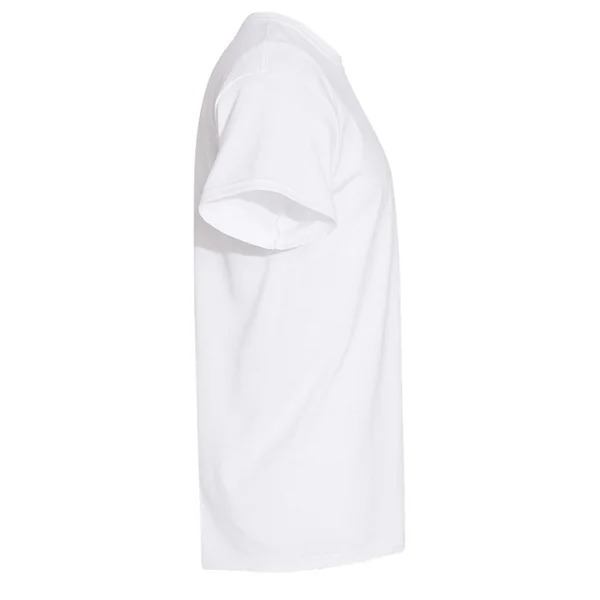
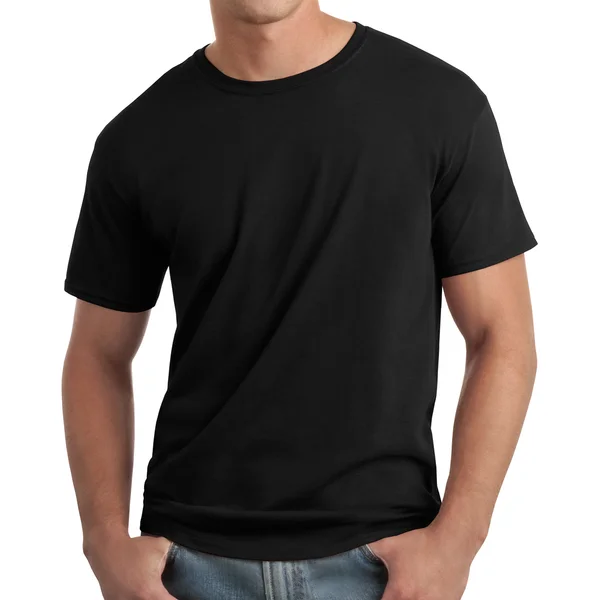
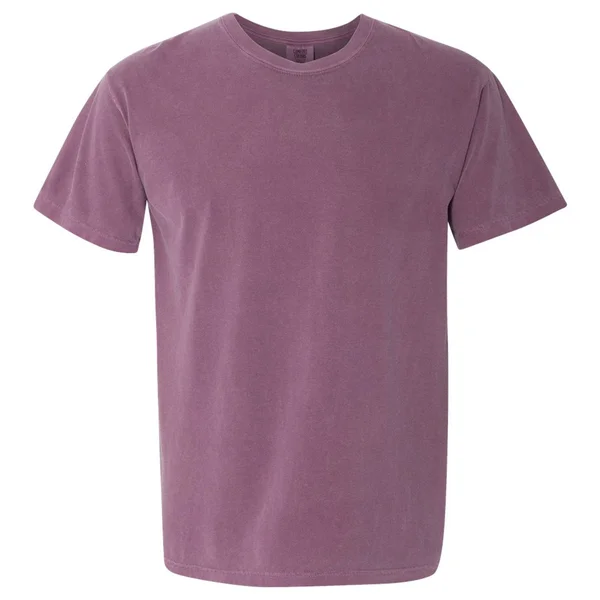
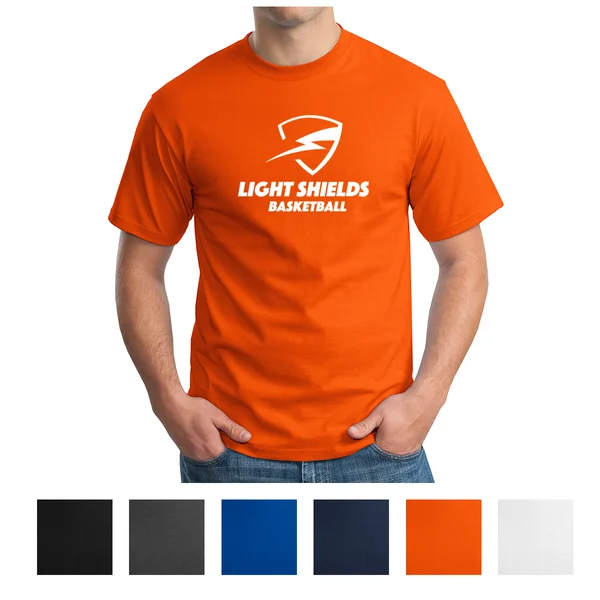
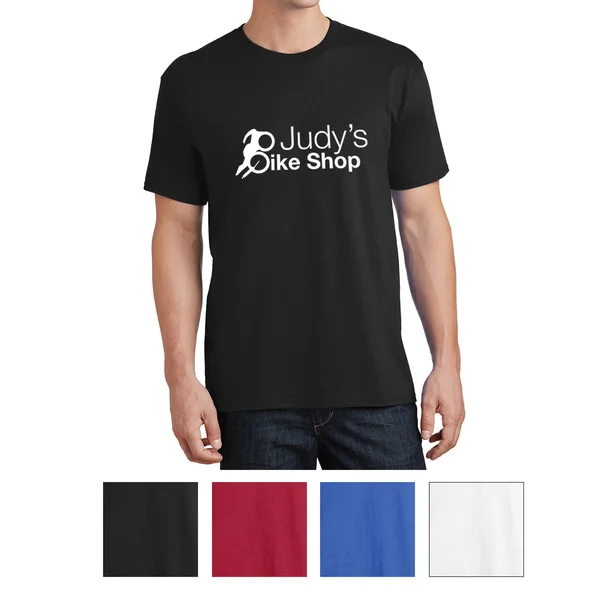
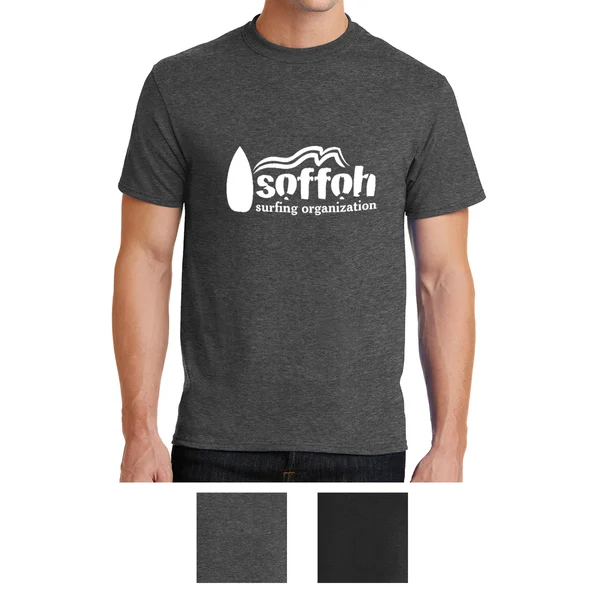
Midweight cotton and cotton-blend cuts fork two ways. Screen print is the correct choice for large orders, and logos containing one to three solid colors, on t-shirts and similar pieces. The one-time setup fee is split across every unit in the run, so the price per item decreases, as the quantity increases, and spot color is exact. DTF is the better choice for the same fabric, when your logo is full-color or has gradients, with no per-color setup charge.
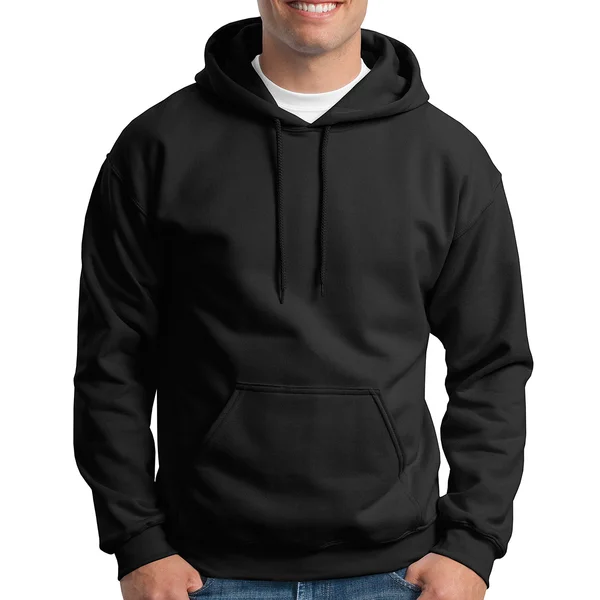
For structured knit fabrics, such as hoodies, fleeces, and outerwear, that are washed regularly, we route to embroidery; thread stitched directly into the fabric holds its shape and color through repeated washing without cracking or fading. The trade-off: logos with gradients or fine text won't stitch clearly, and a one-time digitizing fee (converting your artwork to a stitch file) makes very small runs more expensive per piece.
Athletic and stretch synthetic fabrics route exclusively to DTF. Standard screen-print ink doesn't flex with the material and cracks. DTF ink moves with the stretch and carries full-color logos without a per-color charge. The clearest examples in this catalog are Pants, joggers, and performance shorts.
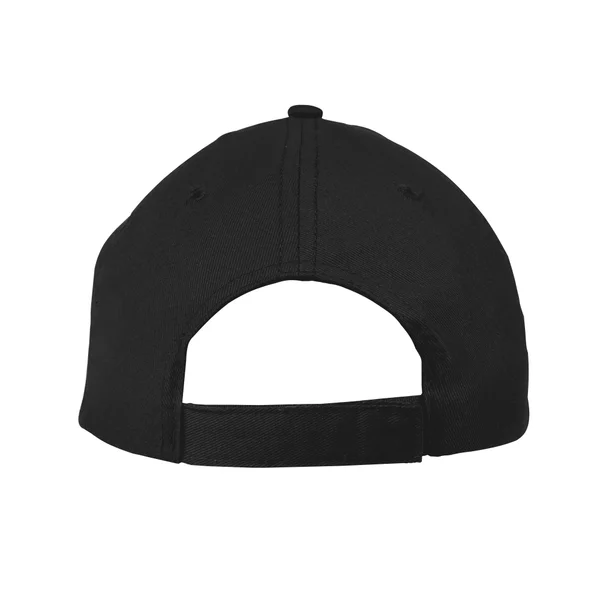
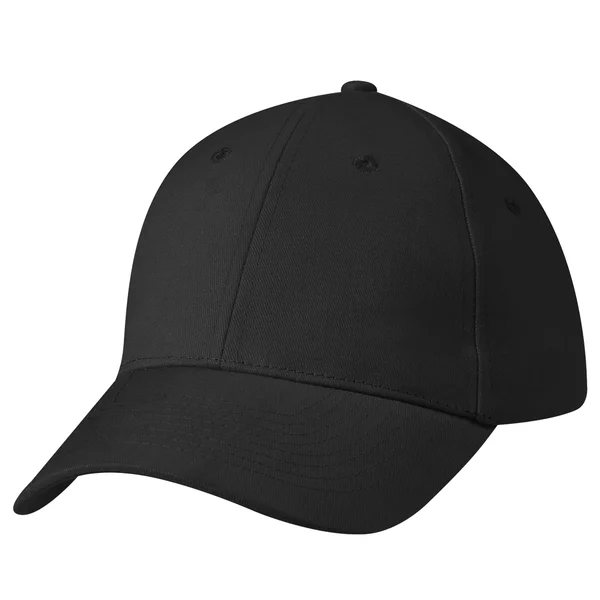
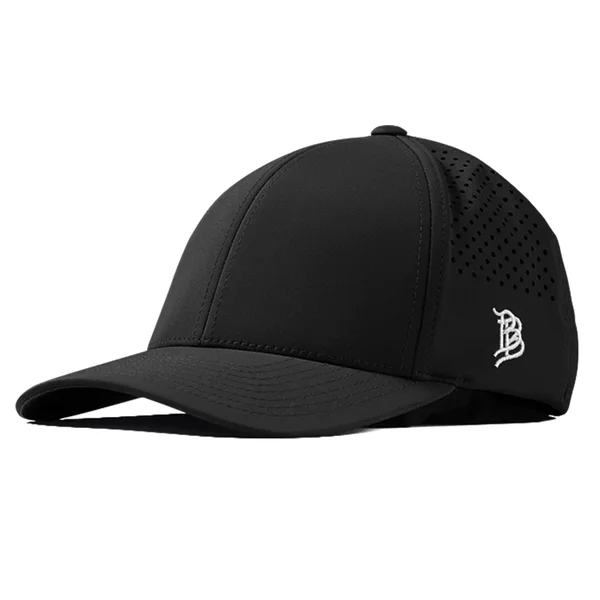
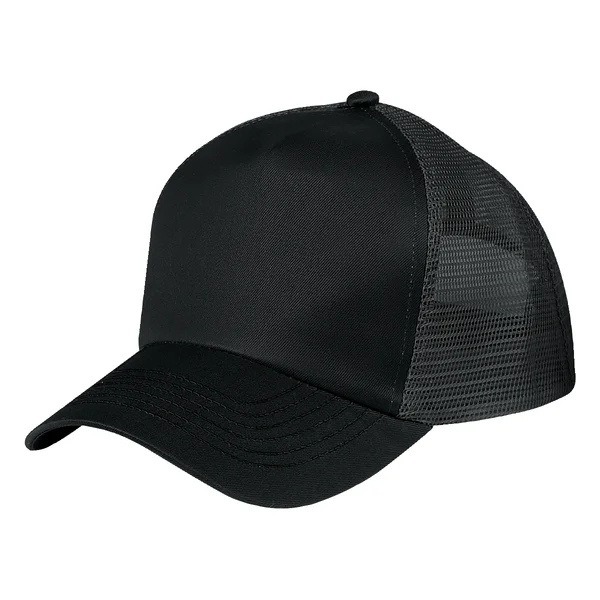
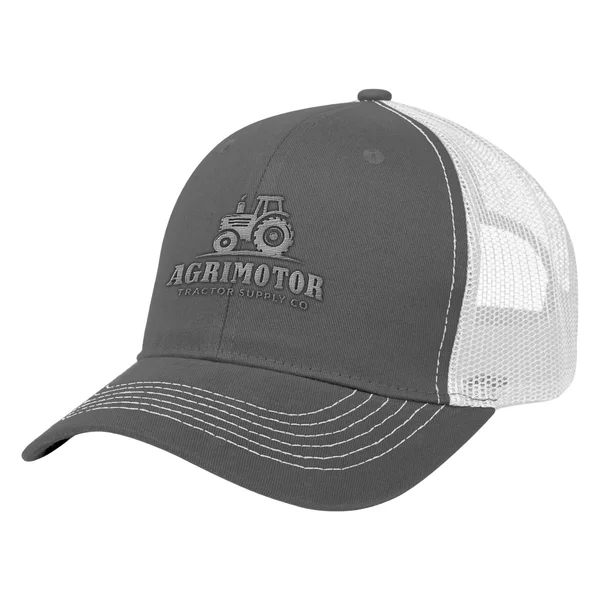
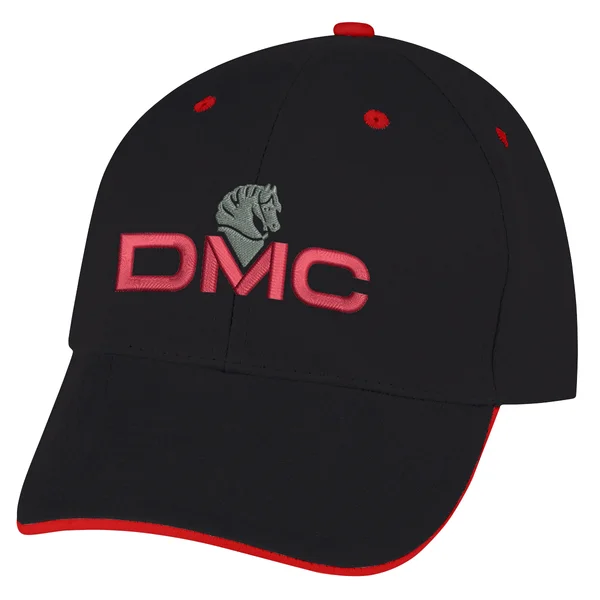
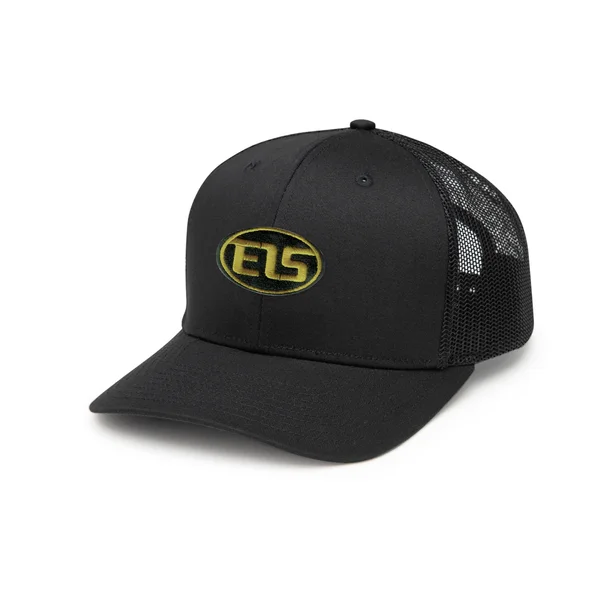
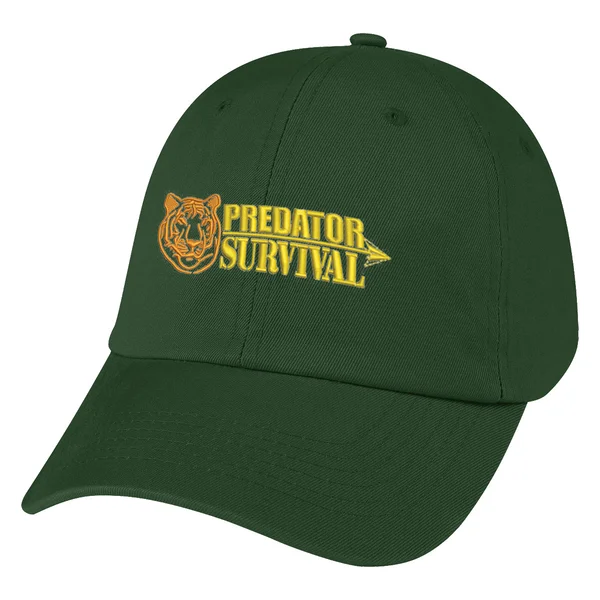
Baseball caps and structured hats follow the same rule as fleece and outerwear: the stiff front panel holds embroidery without puckering. Socks are a different fork entirely: logos are woven into the fabric during production, not applied after. Full-polyester pieces that need edge-to-edge coverage take sublimation, but only on light-colored fabric because the ink is transparent on dark ground.
| Fabric class | Method | Browse |
|---|---|---|
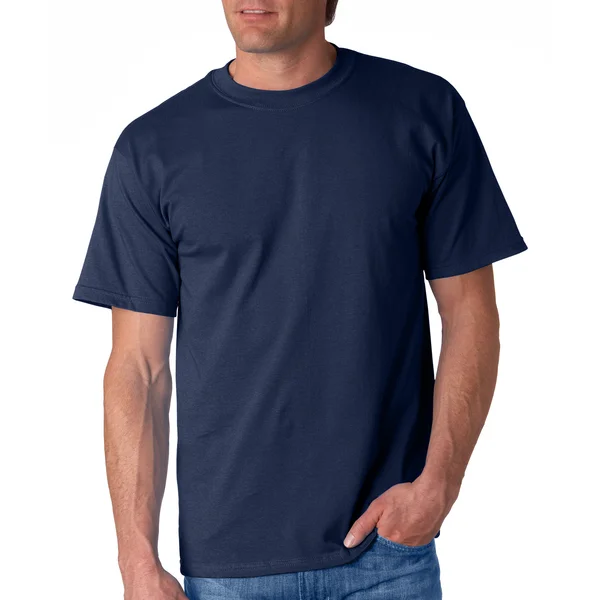
| Cotton and cotton-blend, standard weight | Screen print (1-3 solid colors, large runs) or DTF (full color, shorter runs) | T-Shirts |
| Structured knit: fleece, outerwear, regularly washed | Embroidery | Hoodies and Sweatshirts |
| Athletic and stretch synthetic | DTF | Pants, Joggers and Shorts |
| Structured front panel (caps) | Embroidery | Baseball Caps |
| Knit construction (socks) | Woven-in at production | Socks and Footwear |
| 100% polyester, light ground | Sublimation | Branded Apparel Lines |
The full apparel catalog runs five active decoration forks. Which one applies to your order is decided by the fabric's weight and stretch, not the category name.
Still deciding? Start here. The two most common paths for branded apparel are screen print and embroidery. Cotton t-shirts and standard polos go to screen print: the ink bonds flat, holds color through washing, and the one-time setup cost spreads across every unit so larger runs cost less per piece.
Structured wovens, fleece, and most hats fork to embroidery: raised thread doesn't crack or peel and can survive repeated washing that would wear the ink down.
Stretch-heavy athletic fabrics go a third way, DTF transfer (a heat-pressed printed film), because standard screen-print ink cracks when fabric flexes under movement.
Woven socks knit the design into the yarn at the production stage.
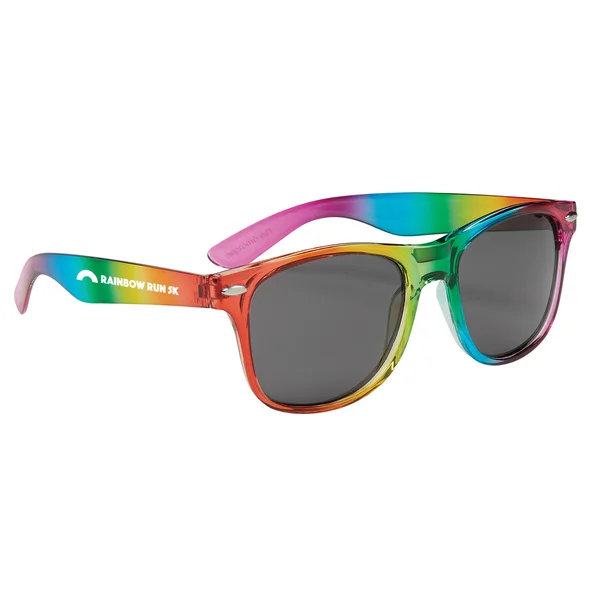
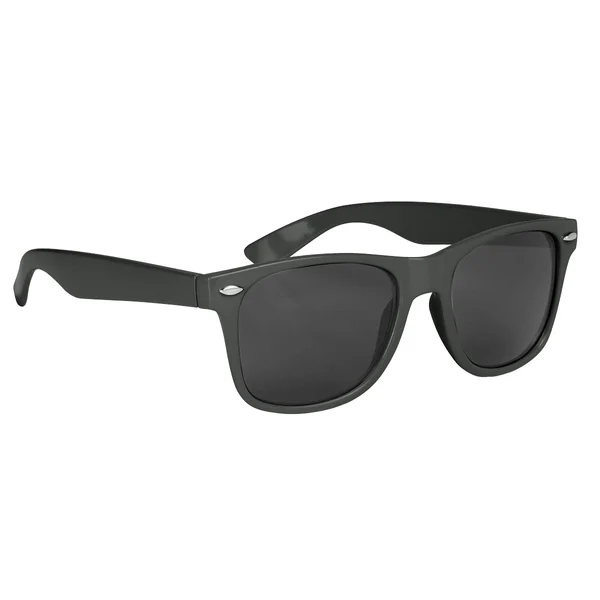
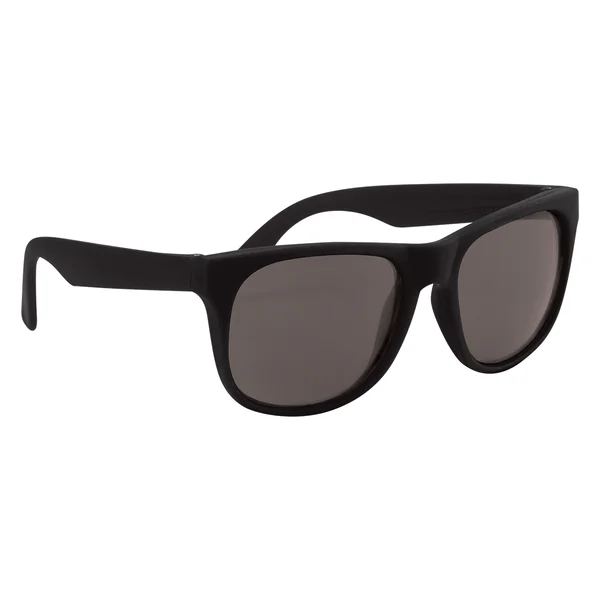
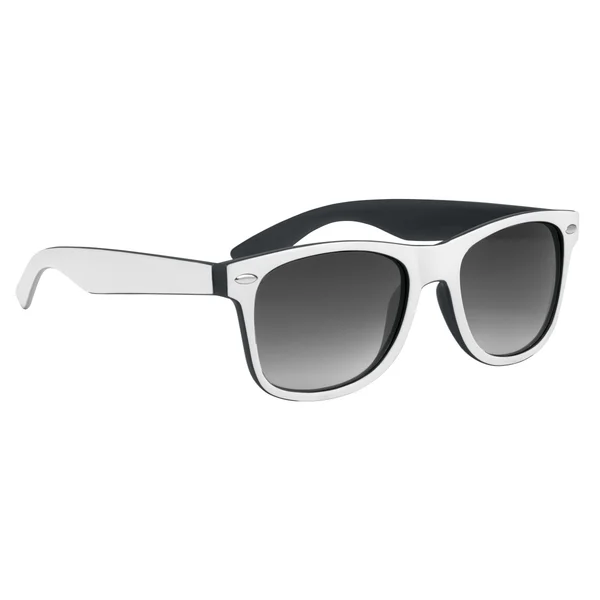
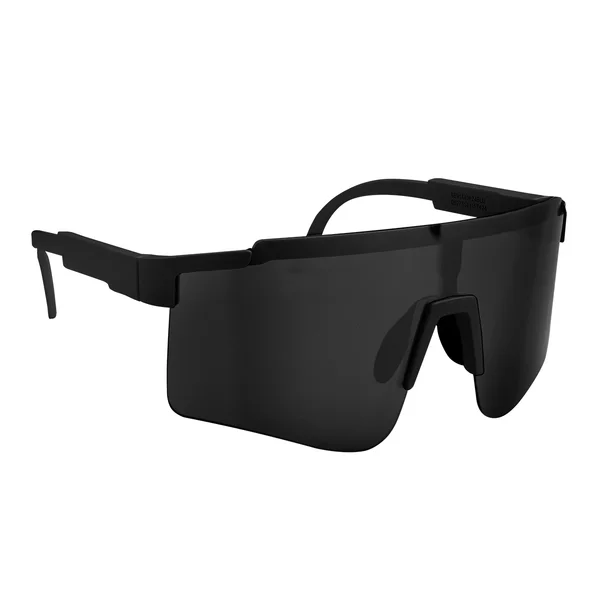
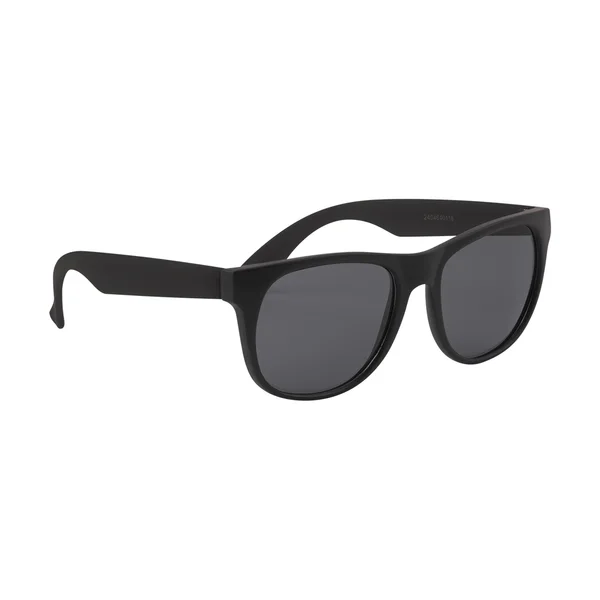
Sunglasses and hard-surface accessories in the range take pad print. If you know the garment, send it to us and we'll confirm the right fork before anything is ordered.
Every order of custom logo apparel ships with a digital proof before production. One named contact handles your order start to finish. Single-unit runs available on select styles. Doesn't match the proof? Let us know, we'll make it right.
Choose embroidery for any polo that will be washed regularly, because the thread holds color and form through 50 or more commercial wash cycles. This includes clinic polos, staff shirts for professional service firms, and anything worn in front of clients. For large event orders with solid colors on cotton, screen print is the right call, because the setup fee spreads across a big run. For a logo with multiple colors, gradients, or a smaller order, DTF is the best fit.
Yes. Tell us what you need and the account manager will set the right decoration method for each clothing type in the same inquiry.
The minimum is as low as 1 unit. Minimums vary by product and are listed on each product page.
DTF is the right choice. It handles full color designs and gradients with no extra charge per color, and it works at any run size.
Custom company apparel covers a wide range of practical needs: staff uniforms for retail, hospitality, and site crews; event kits for trade shows, races, and charity walks; corporate polos and jackets for client-facing teams; onboarding packages for new hires; and branded giveaways for customers. If your team wears it, hands it out, or shows up in it, custom printed clothing is the right fit.