Without the Late Deliveries, Wrong Prints, or Hidden Costs.
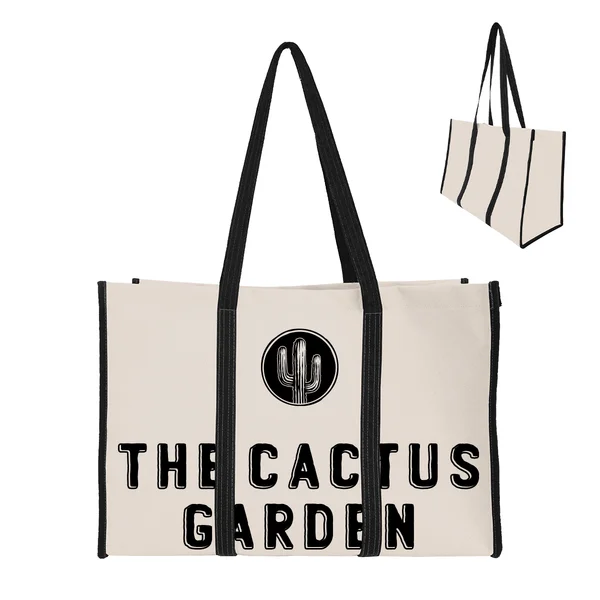
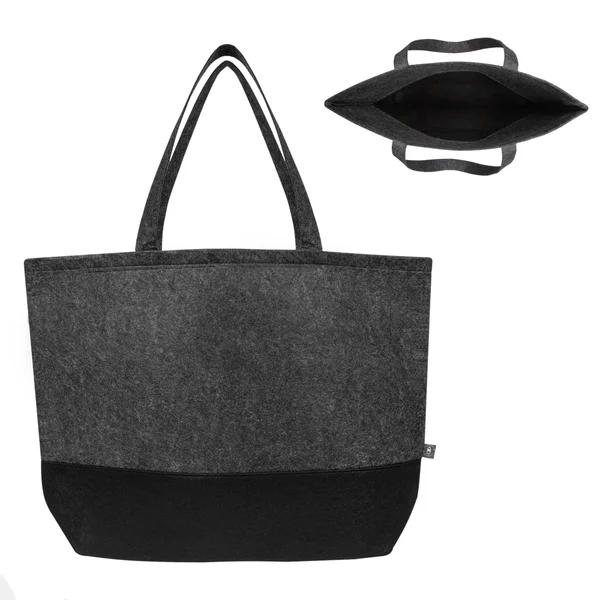
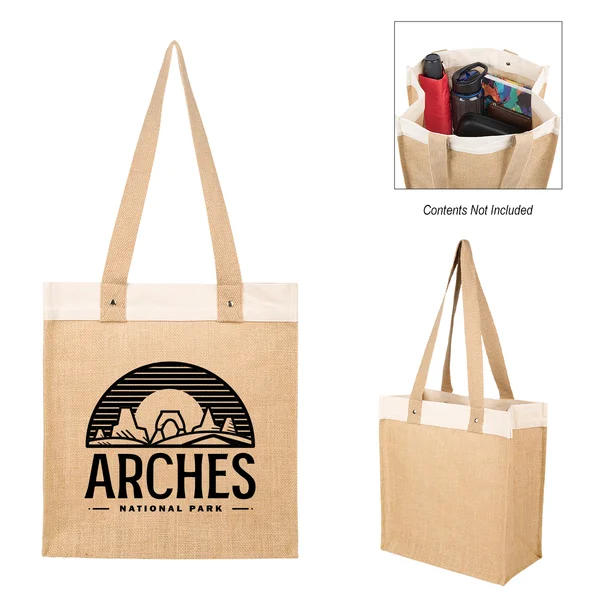
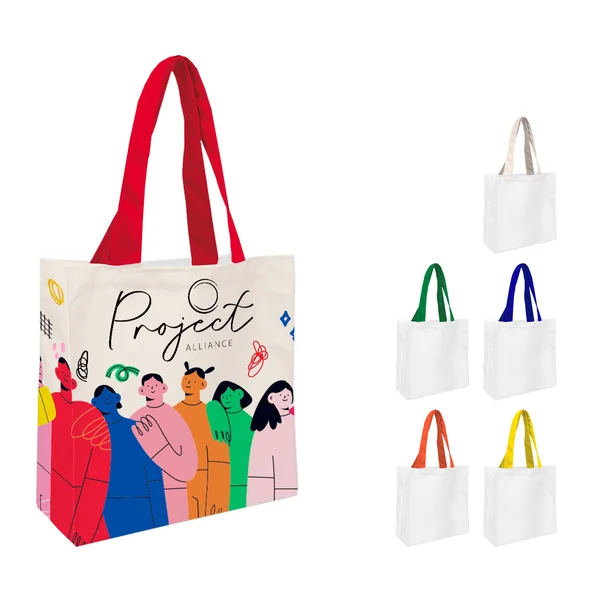
Custom totes keep your brand in front of customers long after a single event is over, carried to the office, the market, and the gym again and again. A well-made bag gives your team a consistent, professional look and keeps your logo traveling with every carry. We design, stitch and print it all in house, and nothing is made until you approve it. Contact our team for a recommendation, or start with the cotton and canvas tote bags below.
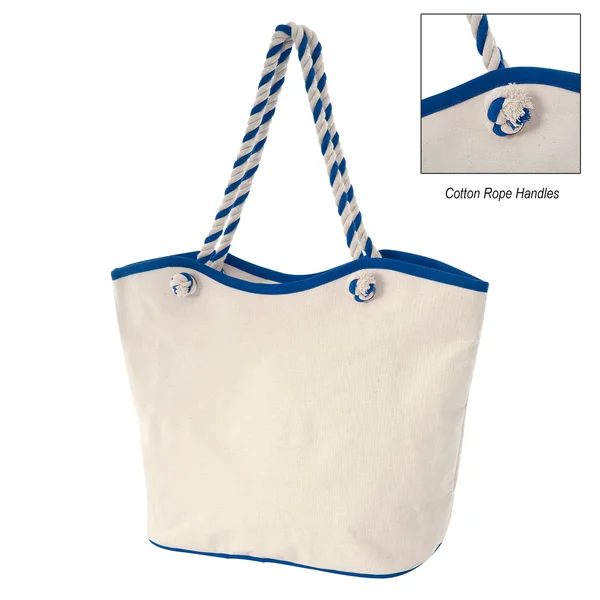
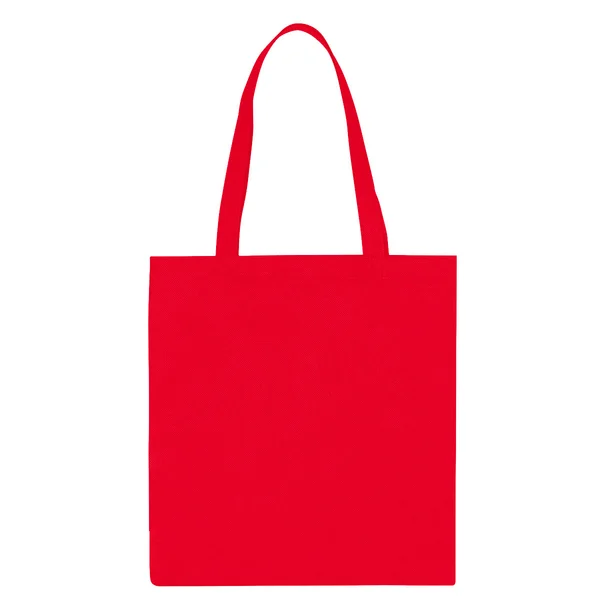
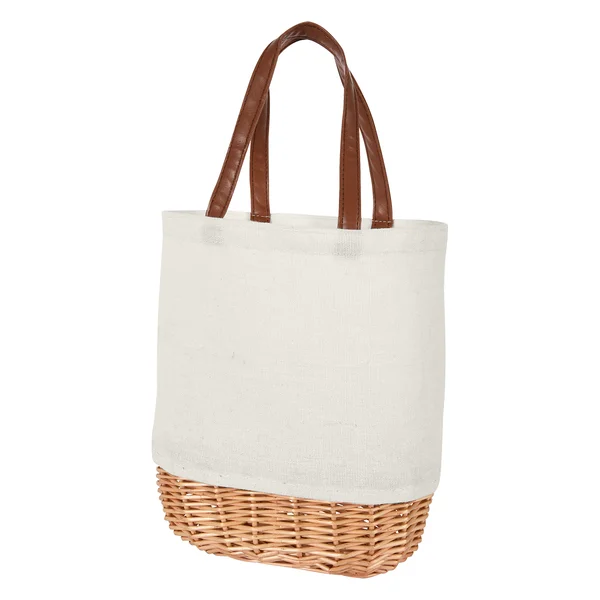
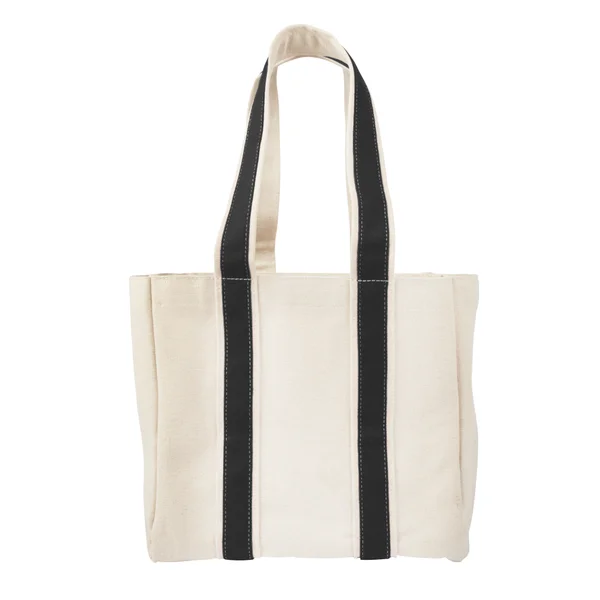

Ask us anything, we're happy to help!
The weight of the fabric is the first thing to decide when ordering a custom tote, because it determines how long the bag will last and what logo it can carry. How the bag gets used picks the weight, not color, and that is the part most suppliers leave off the page.
For a big order of promotional merchandise, light cotton at roughly 4 to 6 ounces is the cheapest fabric and takes a screen printed logo sharply for one event. For a bag that people carry every day, we recommend that you go for a medium weight canvas at 8 to 12 ounces or a heavy canvas at 12 to 16, and it will keep its shape. These are typical ranges, and we will confirm the exact weight on each product.
The weight then determines the logo. Heavier canvas resist sag and handle strain when the bag is carried full and often, and it can hold a stitched logo cleanly; whereas thin cotton puckers when you stitch into it, so you won't get a clean embroidered logo. For the full picture across styles and materials, see our tote bags range.
How screen print and embroidery work is covered on the Tote Bags page. On cotton and canvas specifically, fabric weight and weave tightness determine what method you should actually choose for this bag.
Screen print lands sharper on tighter-woven, heavier stock. On lighter cotton, the weave is open enough that ink can feather slightly at fine edges, which matters for small text or detailed logos. On heavier canvas, the tighter weave gives the squeegee a firmer surface, so ink sits where it belongs. If your artwork has thin lines or tight type, the fabric weight is the variable that decides whether the print registers cleanly.
Embroidery introduces the opposite problem: the heavier the fabric, the less it puckers. Lighter cotton doesn't hold frame tension as firmly, and the needle pulling thread through can draw the fabric inward around the logo. Heavier canvas resists that pull. A logo with sharp corners or thin lettering will hold its shape better on a canvas bag than on a light cotton one.
Gusset and handle construction are the other fork. A flat tote with no gusset holds less and puts more stress on the handle attachment points when loaded. A gusseted base distributes weight across the bag floor; reinforced handle seams are what separates a bag that stays in rotation for months from one that frays by the third use. If the bag is meant to be kept rather than handed off once, ask about gusset depth and handle stitching alongside the print method.
| Lighter cotton | Heavier canvas | |
|---|---|---|
| Screen print | Fine edges can feather on open weave | Tighter weave, sharper registration |
| Embroidery | More likely to pucker under frame tension | Holds tension, logo stays flat |
| Best for | High-volume handouts, one or a few uses | Kept totes, repeated use, detailed logos |
Exact weights and minimums vary by product. Confirm both before locking in your artwork.
Cotton and canvas are the two fabrics in this category where decoration fit actually decides the call, not just the look. Screen print on a light cotton bag gives clean, bright edges at a low cost per unit, which is why it is the standard choice for a promotional tote bag ordered at volume for an event. Canvas is a stiffer, denser weave that holds an embroidered logo cleanly without the base cloth puckering, so when personalized tote bags are going to clients who will carry them past the event, the added weight earns its price. For company logo tote bags going into onboarding kits or client gifts, canvas with embroidery is the natural landing point.
Still deciding? Start here: the safe default for most first orders is a medium-weight canvas tote, screen printed, then adjusted once we know what the bag is for. The twomost-common forks from here: a lighter cotton option for higher-volume event handouts, where drawstring sports packs are also worth a look if you want something even lighter, or a heavier canvas build with embroidery for anything meant to last beyond the day. Send us the job, the quantity, and your logo, and we confirm which build is best suited to your needs.
Digital proof required before production. Single-unit minimums on most styles. One named contact, start to finish. Arrives as approved, or we make it right.
Screen print for flat artwork in several colors at volume on cotton or canvas, and embroidery for a raised logo on a heavier bag that holds up and looks solid. Screen print is cheaper at high volume, and embroidery survives washing and abrasion better.
Lighter cotton suits big handouts kept for a single event, since it is the cheapest fabric and packs flat. Heavier canvas holds its shape under everyday use and is heavy enough to embroider, so it suits bags meant to be kept and reused.
Custom tote bags go to work at trade shows, onboarding kits, fundraisers, and brand campaigns, anywhere you want a logo that travels rather than sits on a desk. A light cotton bag suits one-time event handouts, while a heavier canvas tote handles daily carry and keeps the logo looking sharp longer.
Minimums are listed on each product and can be as low as one unit on some items. The exact floor depends on the product and the logo method, so we confirm it for the items you choose.